Wildfire Home Hardening in Escondido, CA
Escondido sits in an inland valley ringed by chaparral-covered hills, with neighborhoods extending up into the surrounding slopes and canyons. Homes on the valley's rim and in the outlying hillside developments face the highest ember and radiant heat exposure during offshore wind events.
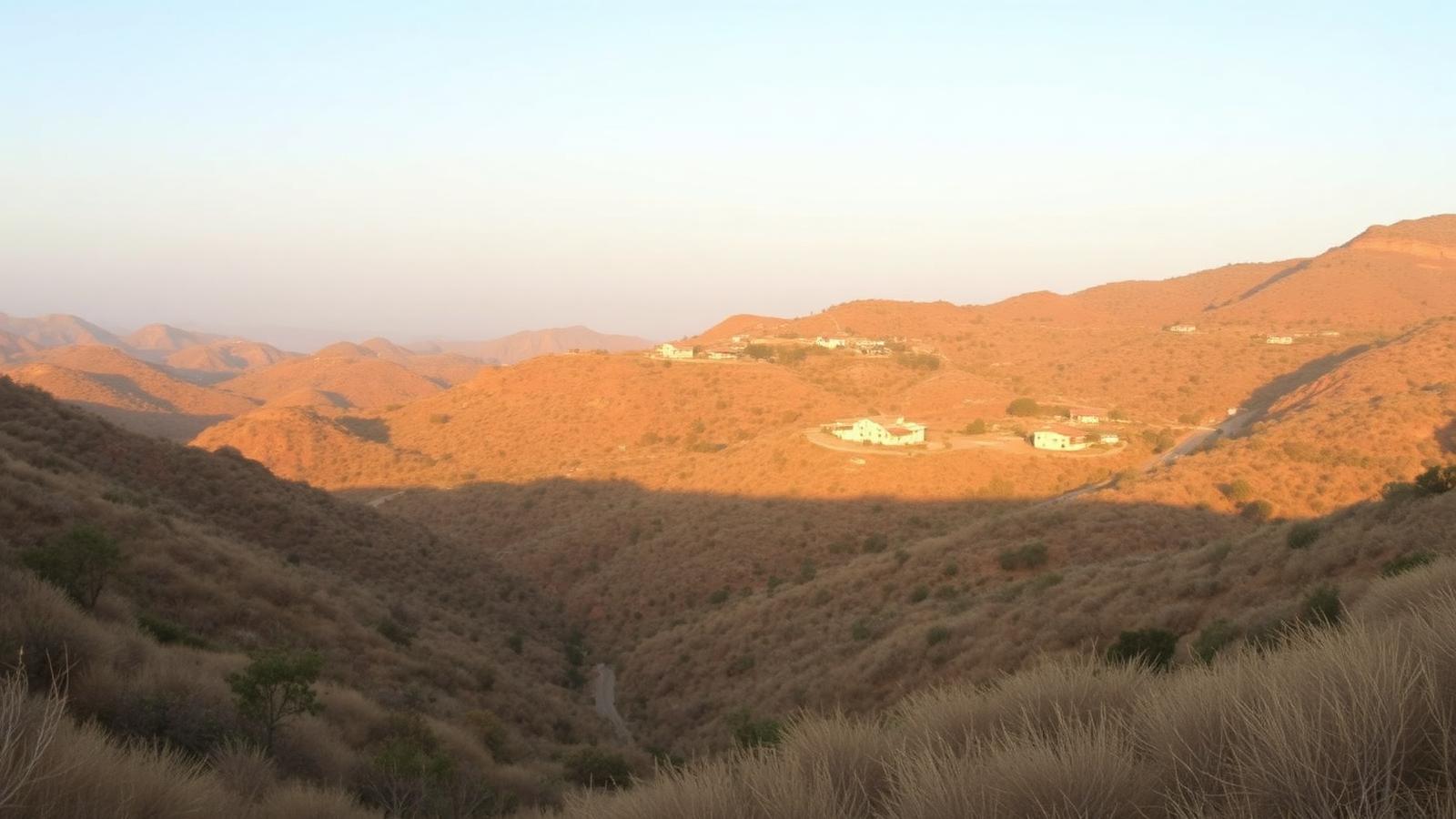
Terrain around Escondido
The valley floor is surrounded by steep hills and canyon drainages on nearly every side. East-side and north-side neighborhoods back directly onto brush, and slope-adjacent lots often have vegetation rising toward the pad from below — the geometry that drives radiant heat onto siding, windows and decks.
Local housing characteristics
Much of Escondido's housing stock dates from the 1960s through the 1980s: single-story ranch homes with open eaves, wood fascia, older attic vents and composition roofs. Newer hillside subdivisions use stucco and concrete tile, where vents, fencing and landscaping are typically the remaining weak points.
Vegetation and fuels
Chamise chaparral and coastal sage scrub dominate the surrounding slopes, with mature eucalyptus, pepper trees, junipers and citrus in older neighborhoods. Juniper and other resinous ornamental shrubs planted against the foundation are among the most common items flagged during an assessment.
Frequently asked questions
Wildfire hardening services for Escondido homes
Each category below covers a different part of the home. Follow a link to see what the work involves, then request a match with professionals serving Escondido.
Wildfire Home Hardening in Escondido
Improve the exterior components most likely to be ignited by embers and radiant heat.
Wildfire Mitigation in Escondido
Reduce fuels, exposure and ignition pathways across the whole property.
Wildfire Home Assessment in Escondido
Identify vulnerable areas around the home and prioritize improvements.
Ember-Resistant Vents in Escondido
Help reduce ember intrusion through attic, crawlspace, soffit and gable vents.
Defensible Space in Escondido
Reduce combustible vegetation and fuel near structures.
Zone Zero in Escondido
Reduce combustible materials in the immediate area around the home.
Fire-Resistant Roofing in Escondido
Improve vulnerable roofing and roof-edge components.
Fire-Resistant Siding in Escondido
Upgrade combustible exterior materials where appropriate.
Wildfire Window Upgrades in Escondido
Improve vulnerable glazing and window assemblies.
Wildfire Deck Hardening in Escondido
Reduce combustible attachments and pathways leading toward the home.
Eave & Soffit Hardening in Escondido
Address gaps, exposed rafters and other vulnerable areas.
Gutter & Roof Edge Hardening in Escondido
Address debris collection points along the roof edge and valleys.
Wildfire Fence Hardening in Escondido
Break the combustible path that leads fire from the yard to the wall.
Wildfire Retrofits in Escondido
Upgrade an existing home built before modern wildfire construction standards.
Insurance Home Hardening in Escondido
Address property conditions raised during an insurance review.
Home Ignition Zone in Escondido
Evaluate the structure and its surroundings as one connected system.
Homeowner guides for Escondido
Nearby communities in San Diego County
San Diego Home Hardening Pros is a contractor-matching and lead-generation service. We are not a government agency, insurance company, fire department, or wildfire safety certification organization. Availability of professionals and services varies by location.
Home hardening services in Escondido
Projects usually span several trades. We help homeowners get connected with professionals in the categories their property actually needs.
Wildfire Home Hardening
Improve the exterior components most likely to be ignited by embers and radiant heat.
Learn moreWildfire Home Assessment
Identify vulnerable areas around the home and prioritize improvements.
Learn moreEmber-Resistant Vents
Help reduce ember intrusion through attic, crawlspace, soffit and gable vents.
Learn moreDefensible Space
Reduce combustible vegetation and fuel near structures.
Learn moreZone Zero Improvements
Reduce combustible materials in the immediate area around the home.
Learn moreRoofing
Improve vulnerable roofing and roof-edge components.
Learn moreSiding
Upgrade combustible exterior materials where appropriate.
Learn moreWindows
Improve vulnerable glazing and window assemblies.
Learn moreDecks & Fencing
Reduce combustible attachments and pathways leading toward the home.
Learn moreEaves & Soffits
Address gaps, exposed rafters and other vulnerable areas.
Learn moreGet a Wildfire Hardening Assessment
Tell us about your property and we'll help connect you with a wildfire home hardening professional serving your area.